Howth Cliff Path: The Complete Route
A detailed breakdown of this iconic coastal walk. We cover distances, elevation changes, rest spots, and the best times to visit without crowds.
Why Howth Matters for Your Walking Journey
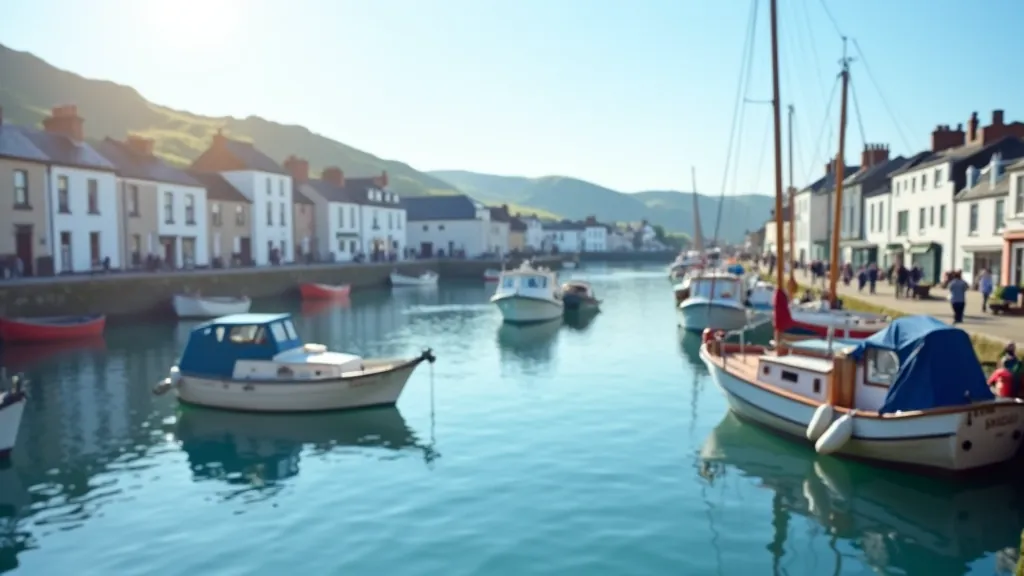
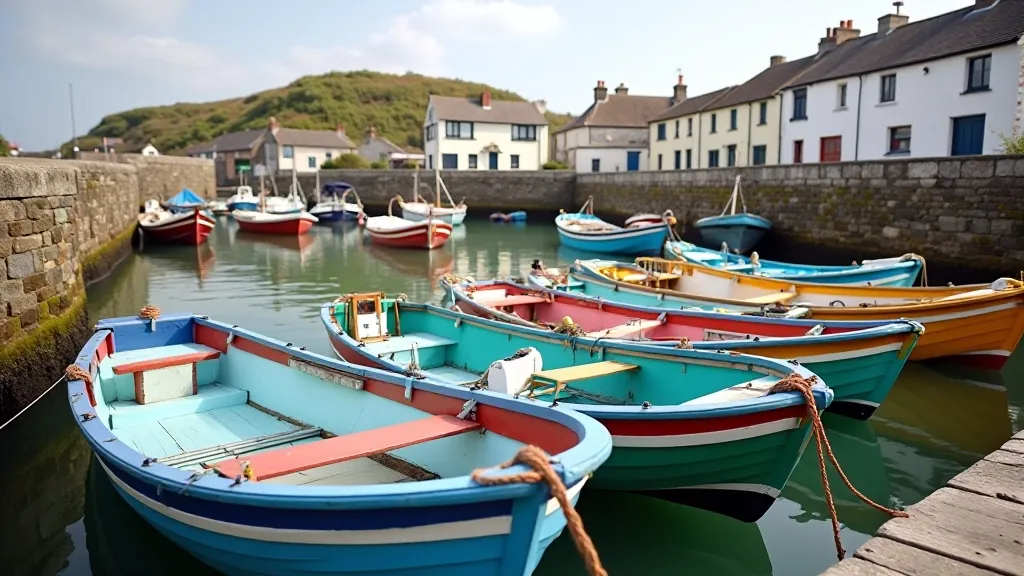
Howth isn't just another coastal walk. It's a destination that's drawn walkers for generations — and for good reason. The cliffs here offer something special: genuine beauty without the overcrowding you'll find at other popular spots. You'll walk past working fishing boats, explore Victorian-era paths, and discover viewpoints that stretch across Dublin Bay.
This route takes you along the eastern cliffs, which is where you'll find the real character of Howth. It's accessible enough for regular walkers, but challenging enough to feel like a proper accomplishment. Most people complete it in about 2-2.5 hours at a comfortable pace, with plenty of places to stop and rest.
Understanding the Route Layout
The Cliff Path is a linear walk that covers roughly 6 kilometers one way. That means if you're planning a return journey, you're looking at 12 kilometers total — but don't let that scare you. You can easily turn back halfway if you'd prefer a shorter outing, or take the coastal path back through the village for variety.
The elevation isn't too steep, but it's consistent. You're always either climbing or descending — there's no real flat section. This keeps things interesting and means your legs will feel the work, which is actually good. It builds confidence and stamina without being punishing.
Important Notice
This guide is intended for informational purposes to help you understand the Howth Cliff Path. Weather conditions, trail maintenance, and accessibility can change. Always check current conditions before you go, wear appropriate footwear, and consider your fitness level honestly. If you have mobility concerns or health conditions, consult your doctor before attempting this walk. Coastal paths can be unpredictable — bring water, sun protection, and a charged phone.
Breaking Down the Three Main Sections
The walk naturally divides into three distinct sections, each with its own character. Understanding these helps you plan rest stops and decide how far you want to push.
Section 1: The Lower Cliff Path (0-2km)
This is the easiest part, starting from Howth Harbour and climbing steadily through the lower cliffs. You'll pass the old martello tower and walk alongside gardens. It's gentler than what comes next, which makes it perfect for warming up. Most walkers reach the halfway point at around 30-40 minutes here.
Section 2: The High Cliffs (2-4km)
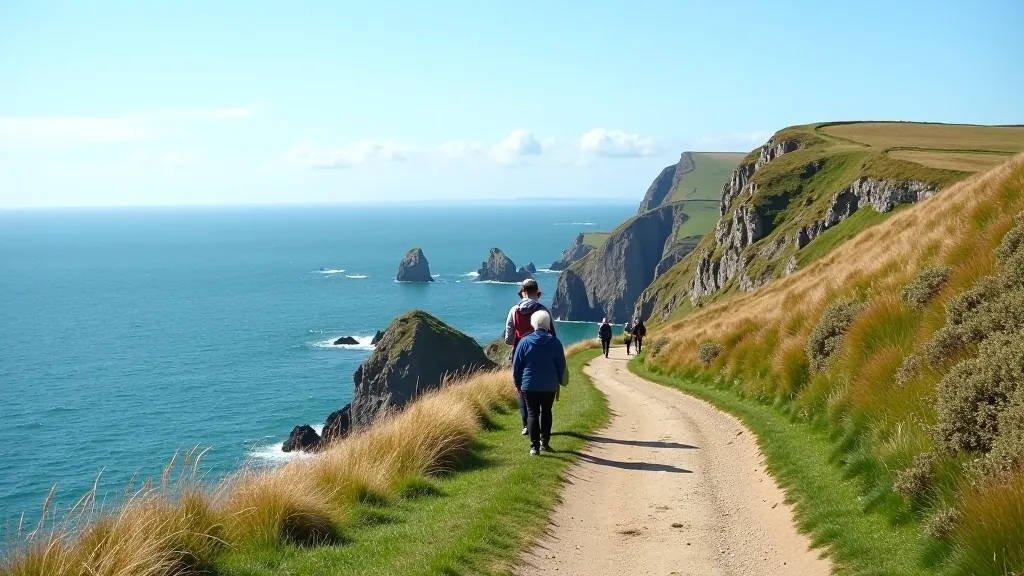
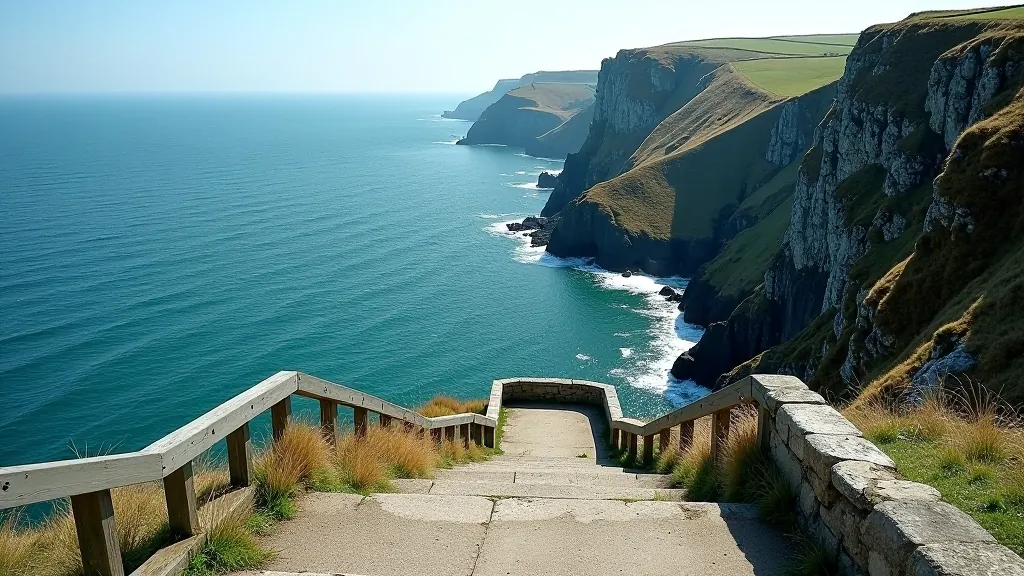
Here's where the views get dramatic. You're now walking at the top of the cliffs with genuine drop-offs. The paths are safe and well-maintained, but this section feels more exposed. The elevation gain is steeper here, and you'll notice your calves working. The views, though? Absolutely worth it. On clear days, you can see the Wicklow Mountains and beyond.
Section 3: The Eastern Point (4-6km)
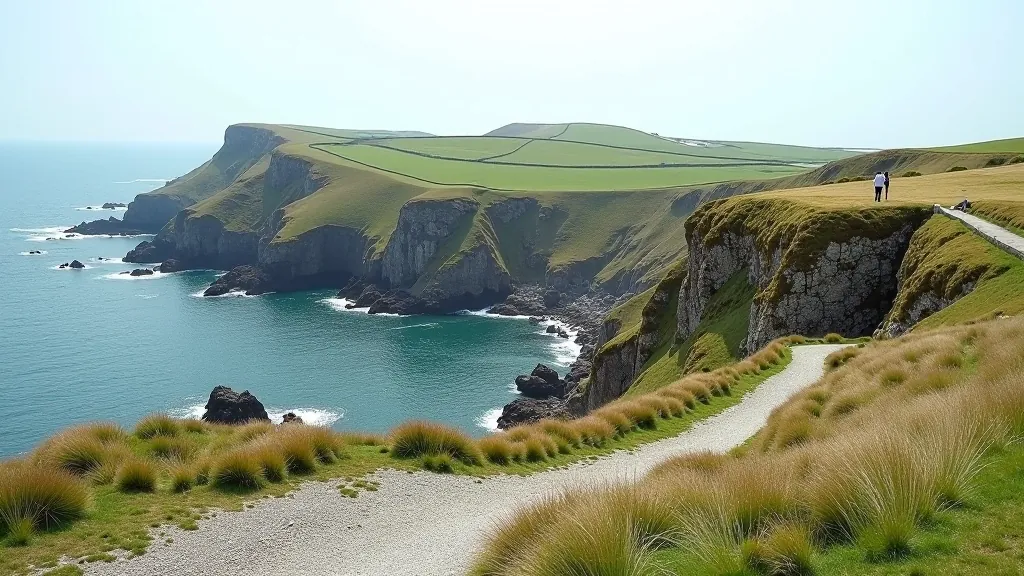
The final stretch levels out slightly and becomes more scenic. You'll spot the Baily Lighthouse and the red-and-white beacon at the eastern tip. This section is where you feel the real sense of accomplishment. The terrain varies between grass paths and stone sections, keeping things interesting.
Many walkers turn around at Section 2 or the beginning of Section 3. That's completely fine. You'll still have had a proper walk with the best views. There's no rule saying you have to go all the way to the end — it's about what feels right for you on the day.
When to Walk: Timing Your Visit
Timing makes a huge difference on this walk. Go when it's crowded, and you'll spend half your time navigating around other people. Pick the right time, and you'll have stretches where it feels like the whole place is yours.
Early Morning (7-9am)
This is your sweet spot. You'll beat the crowds by hours. The light is soft, the air is fresh, and you won't be dealing with school groups or weekend tourists. You're done by lunchtime, which leaves the rest of your day open.
Late Afternoon (3-5pm)
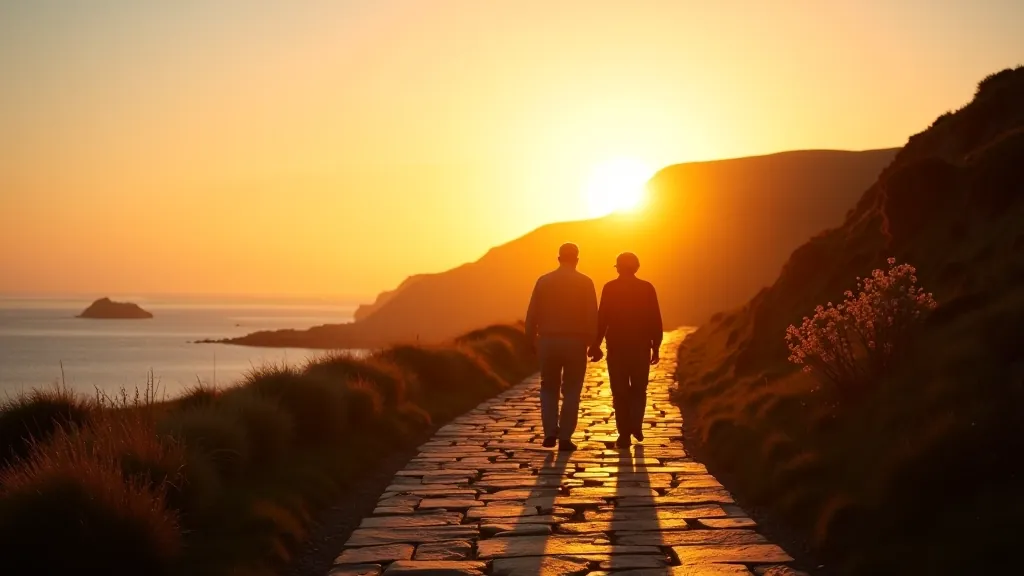
The second-best option. Lunch crowds are gone, and the sun's moving into that golden hour. You get genuinely beautiful light for photos without the morning rush. Just make sure you have enough daylight to get back safely.
Weekday Mornings (Tues-Fri)
If you can only walk on weekdays, go for it. Weekday traffic is maybe a third of what you'll see on weekends. You'll pass people, but there's breathing room. Weekends get absolutely packed from 10am onwards.
Avoid: Midday Weekends
Saturday and Sunday between 11am and 3pm are peak hours. You'll be navigating crowds, dealing with slow-moving groups, and competing for photo spots. It's still a fine walk, but not the peaceful experience you're hoping for.
Weather matters too. Windy days are actually fine — the wind keeps things cool. Rain's the real issue. Wet stone gets slippery fast, and visibility drops. Save this walk for clear or lightly cloudy days. You're doing this for the views, so you want to actually see them.
Practical Tips for a Successful Walk
Footwear is Non-Negotiable
Proper walking boots with ankle support. Not sneakers, not fashion trainers. Real walking boots. The terrain gets rough, especially after rain, and twisted ankles happen fast on uneven stone. Waterproof matters too — morning dew soaks regular shoes.
Bring More Water Than You Think
There are no water sources on the path itself. Bring at least 1.5 liters. A backpack with a hydration bladder works better than bottles. You'll be climbing, the sun's reflecting off the sea, and dehydration sneaks up. Drink regularly, not just when you're thirsty.
Sun Protection is Serious
SPF 50+, and reapply after an hour. The sea reflects sunlight intensely. You'll get burned without realizing it. A wide-brimmed hat isn't optional — it's essential. Sunglasses too. Coastal glare is real.
Phone and Safety Basics
Bring your phone fully charged. Tell someone where you're going and when you expect to be back. The path is well-traveled and safe, but things happen. Download a map offline just in case — signal can be spotty near the cliffs.
Leave Plenty of Daylight
Don't start late. Even in summer, you want at least 3-4 hours of good daylight remaining when you begin. The path is marked, but it gets tricky in failing light. Winter walks need to start even earlier. Headlamps are no substitute for actual daylight on uneven terrain.
Layers Work Better Than Heavy Jackets
Coastal wind can be fierce, and it cools you down fast when you're at the top of the cliffs. Wear base layer, fleece, and a windproof jacket. You'll strip down as you warm up. A heavy coat just traps sweat. Merino wool or synthetic fabrics work better than cotton.

Continue Your Coastal Journey