Howth Cliff Path: The Complete Route
A detailed breakdown of this iconic coastal walk. We cover distances, elevation changes, and what to expect at each stage.
Everything you need to know before heading out. Proper footwear, what to bring, weather considerations, and when to turn back safely.
There's a big difference between a walk you'll remember for all the right reasons and one you'll be feeling in your knees for a week. The difference? Preparation. It's not complicated, but it does make a genuine difference when you're out there on the path.
We've been guiding older adults along Ireland's coastal paths for years, and we've learned what works. The good news is that you don't need expensive gear or extreme fitness. What you do need is the right approach to getting ready — choosing proper footwear, packing smart, understanding the weather, and knowing your limits.
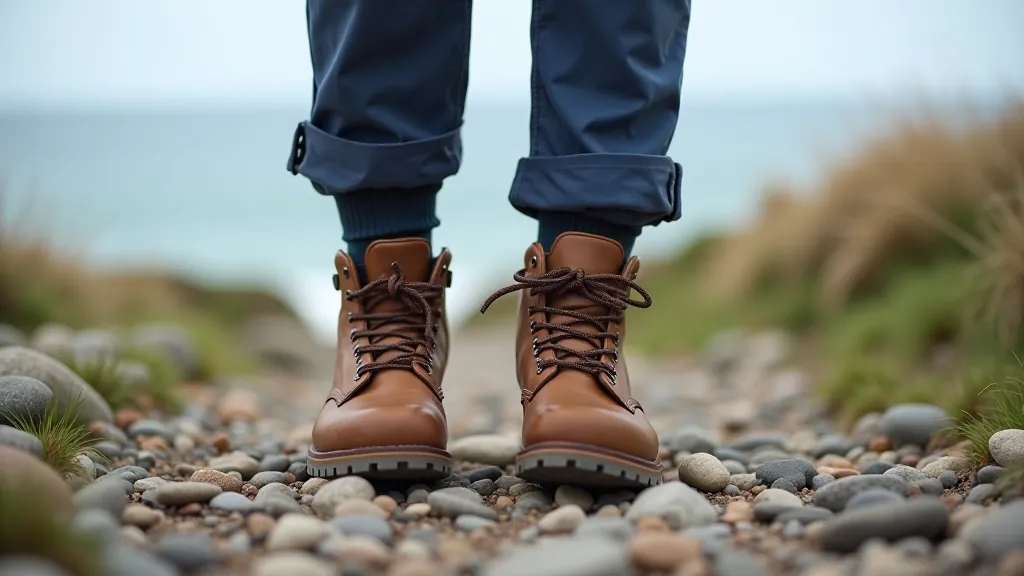
Your feet carry you for miles. Invest in them properly. We're not talking about expensive designer gear — we're talking about shoes that'll actually support your feet and keep you comfortable.
Look for walking shoes with good ankle support, thick soles that cushion your feet, and grip that won't slip on wet rocks. The Howth paths get damp even on supposedly dry days. You want shoes with a tread pattern designed for grip on uneven surfaces — not smooth soles that'll have you sliding around.
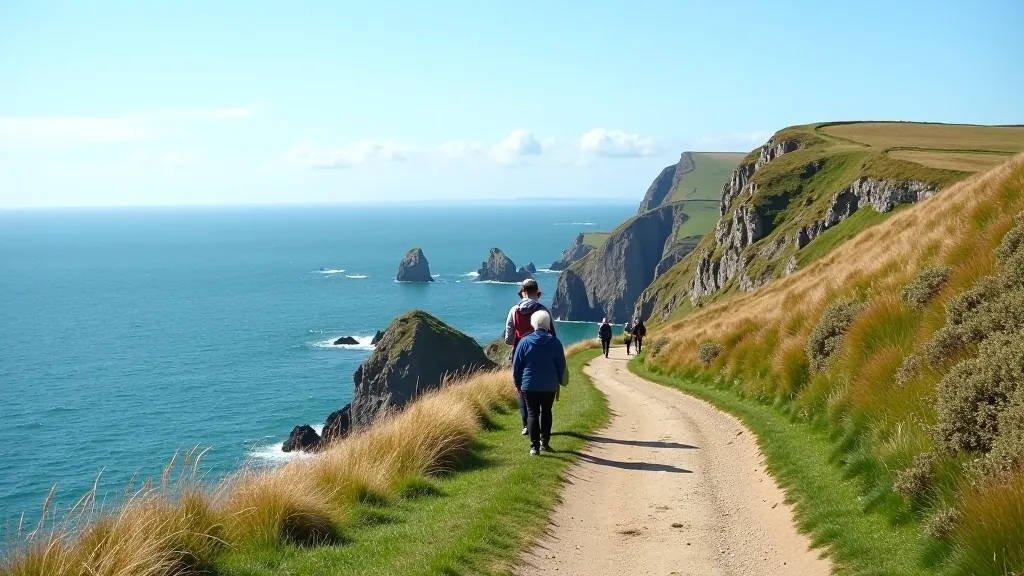
Break in new shoes before you hit the coastal paths. Wear them around the house for a few days, take a short walk locally. You don't want your first real test to be a 5-mile coastal hike where there's nowhere to sit if your feet start hurting.
The information in this guide is educational and based on general best practices for older adults walking on Irish coastal paths. Everyone's fitness level, health conditions, and mobility are different. If you have any existing health concerns — joint problems, heart conditions, balance issues — talk with your doctor before starting a new walking routine. Know your own limits, listen to your body, and don't push beyond what feels safe. Weather can change quickly on coastal paths, and terrain can be uneven. Always prioritize your safety over completing a walk.
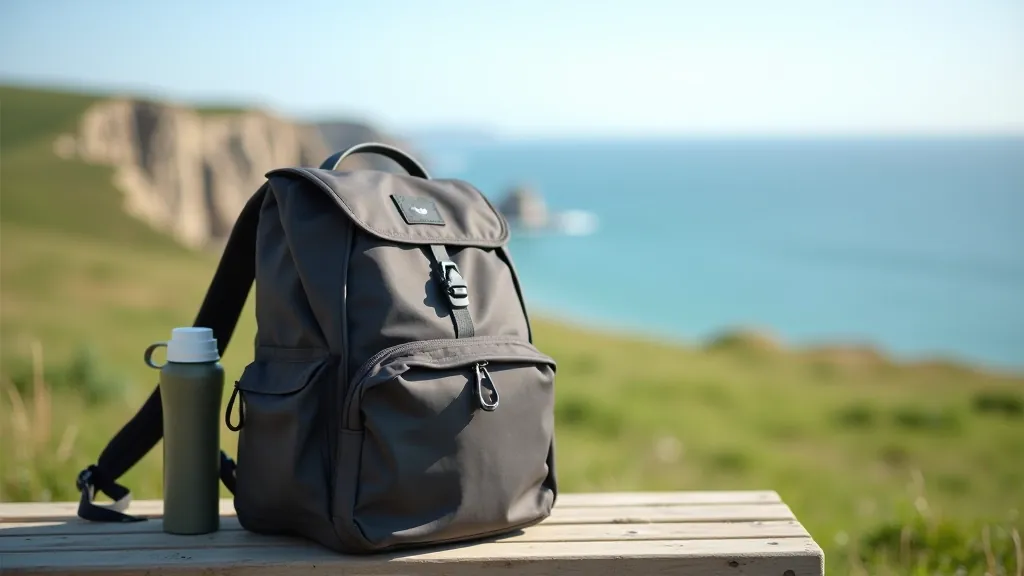
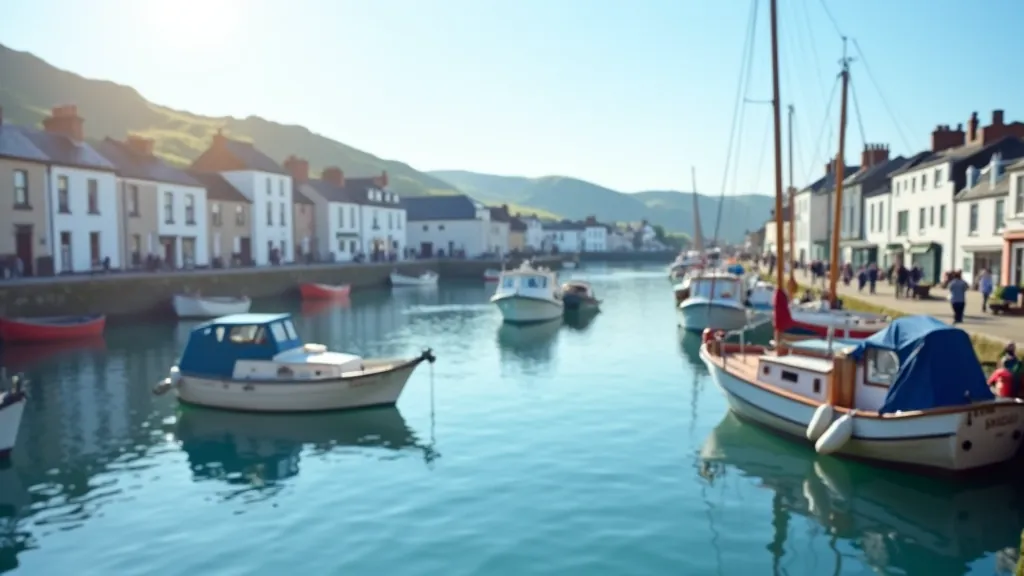
You're not climbing Everest. A day walk around Howth Harbour or along the cliff path doesn't require a massive backpack. But you do need the right essentials.
Water is your first priority. Aim for at least 500ml, ideally a litre. The sea air is deceptive — you'll dehydrate faster than you think. A small snack is important too. We're talking about a banana, some nuts, or a granola bar. Nothing heavy. You're fueling your body for a few hours, not provisioning an expedition.
Sun protection matters even on cloudy days. Bring sunscreen, a hat, and sunglasses. A small first aid kit is sensible — plasters for blisters, pain relief, maybe a bandage. A mobile phone with some battery left, a small towel or microfibre cloth, and a lightweight windproof layer if the forecast is uncertain. That's genuinely it.
Keep your backpack under 3kg. You'll feel the difference between 2kg and 5kg after walking for 90 minutes. Every extra kilogram compounds as you walk.
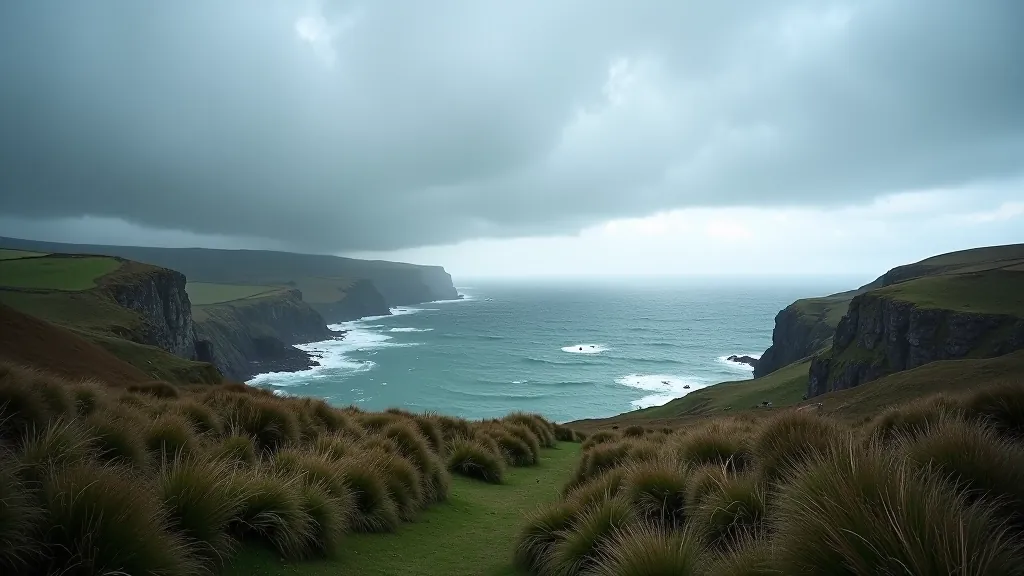
Irish coastal weather changes fast. What looks calm at 10am can be blustery by midday. You've got to respect that and adjust your plans accordingly.
Check the forecast the night before and again in the morning. Pay attention to wind speed, not just whether it says "rainy" or "sunny." Wind on coastal cliffs is the real challenge. At 25+ mph, it's genuinely difficult to walk safely on exposed paths. At 35+ mph, you should probably pick a different route or reschedule.
Good walking conditions. Standard gear is fine.
Bring a windproof layer. Stay focused on uneven ground.
Consider a different route or postpone. Safety first.
Temperature matters less than you'd think if you dress in layers. Start cool rather than warm. You'll heat up once you're walking. A thin base layer, a fleece mid-layer, and a windproof jacket on top gives you flexibility. You can remove layers as you warm up. That's better than being overdressed and uncomfortable from the start.
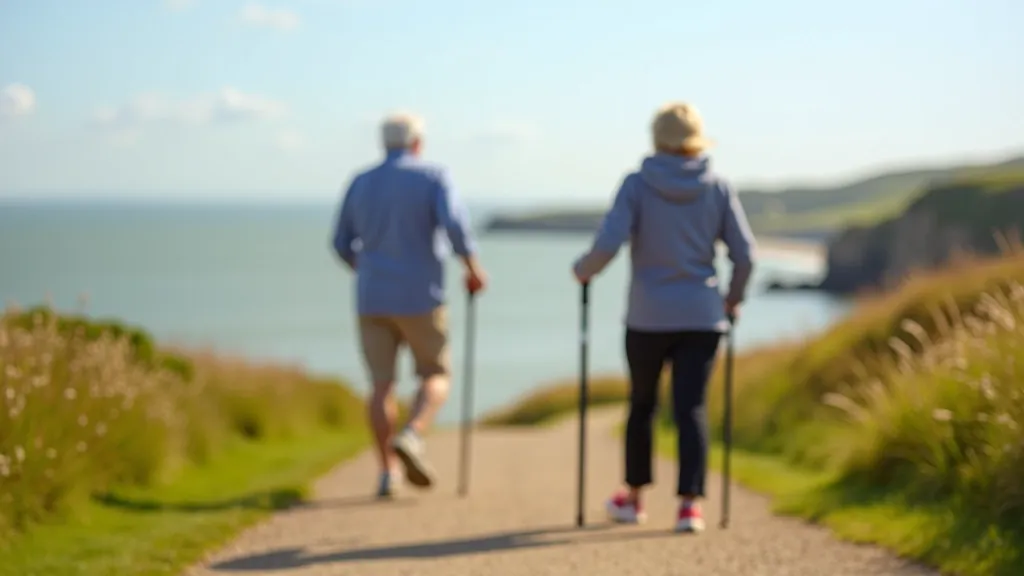
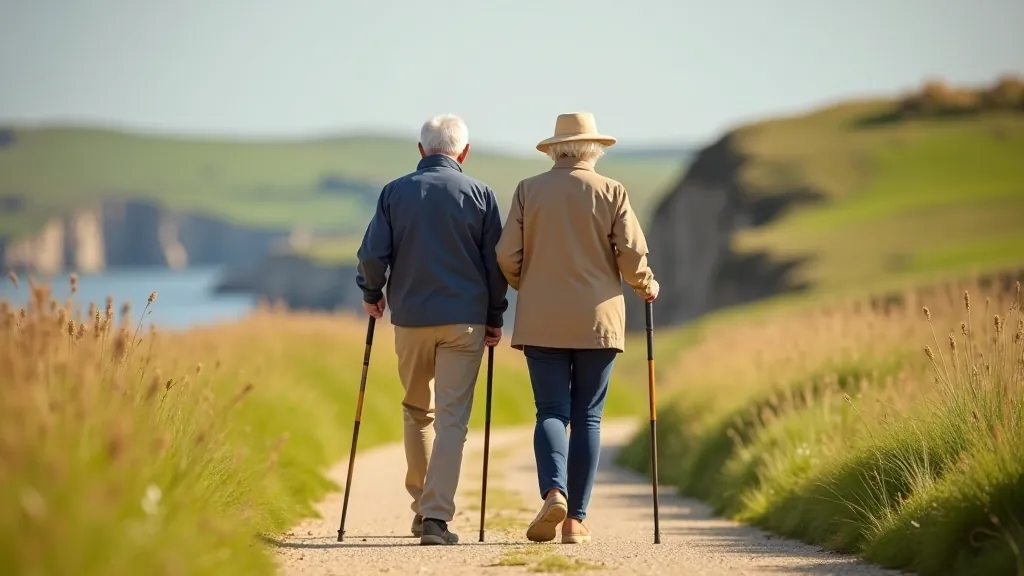
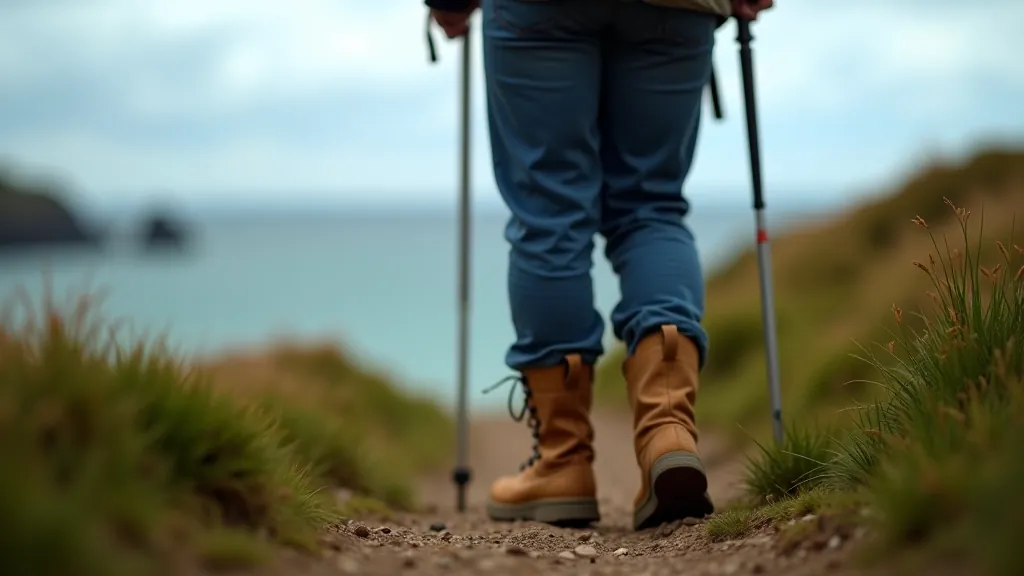
Honestly? Walking poles are one of the best investments you'll make. They're not just for mountaineers. On uneven coastal terrain, they make a real difference for stability and reducing impact on your knees.
They distribute your weight across four contact points instead of two. Going downhill — which is the real killer on your knees — poles take 25-30% of your weight off your legs. That's not a minor thing. Over a 5-mile walk with elevation change, that adds up to genuine relief.
Get adjustable poles. You want them set so your elbows bend at about 90 degrees when you're holding them on flat ground. On downhill sections, you'll shorten them slightly. On uphill, you might lengthen them a touch. They should weigh less than 300g each — modern poles are surprisingly light.
There's a technique to using them properly. Don't just grip them like a vice. Let them do the work. Swing them naturally with your walking rhythm. Your shoulders and arms shouldn't be doing heavy work — the poles just give you extra stability and reduce strain on your legs.
Here's something people don't talk about enough: the most important skill isn't walking further, it's knowing when to stop. You're not in a race. You're out enjoying the landscape, getting fresh air, and moving your body. That's the whole point.
If your feet start hurting significantly, turn back. If you're getting tired faster than expected, take a longer break or head back. If the weather turns worse than forecast, don't push through it. There will be other days. The Howth paths will still be there next week.
Build your fitness and confidence gradually. Start with shorter walks — 2-3km on easier terrain. Get comfortable with the routes. As your legs get stronger and you learn what your body can handle, you can extend distances. But there's no benefit to forcing it early on. A good walk you finish feeling capable is infinitely better than a tough walk where you're exhausted and sore for days afterward.
Preparation isn't about having fancy gear. It's about being honest with yourself, respecting the environment, and making choices that'll keep you safe and happy on the path. Get proper shoes, pack light and smart, check the weather, bring poles if they help you, and listen to your body. That's genuinely all you need.